How to Choose the Right Air Conditioning System for Your Home
Selecting the right air conditioning system for your home is crucial for ensuring comfort during the hot summer months. An efficient HVAC (Heating, Ventilation, and Air Conditioning) system can not only keep your living space cool but also save you money on energy bills. In this guide, we will walk you through the essential factors to consider when choosing the best air conditioning unit for your needs.
Understanding Different Types of Air Conditioning Systems
There are several types of air conditioning systems available, each with its unique benefits and drawbacks. Here's a brief overview:
- Central Air Conditioning: Ideal for cooling large homes, central systems distribute cool air through ducts.
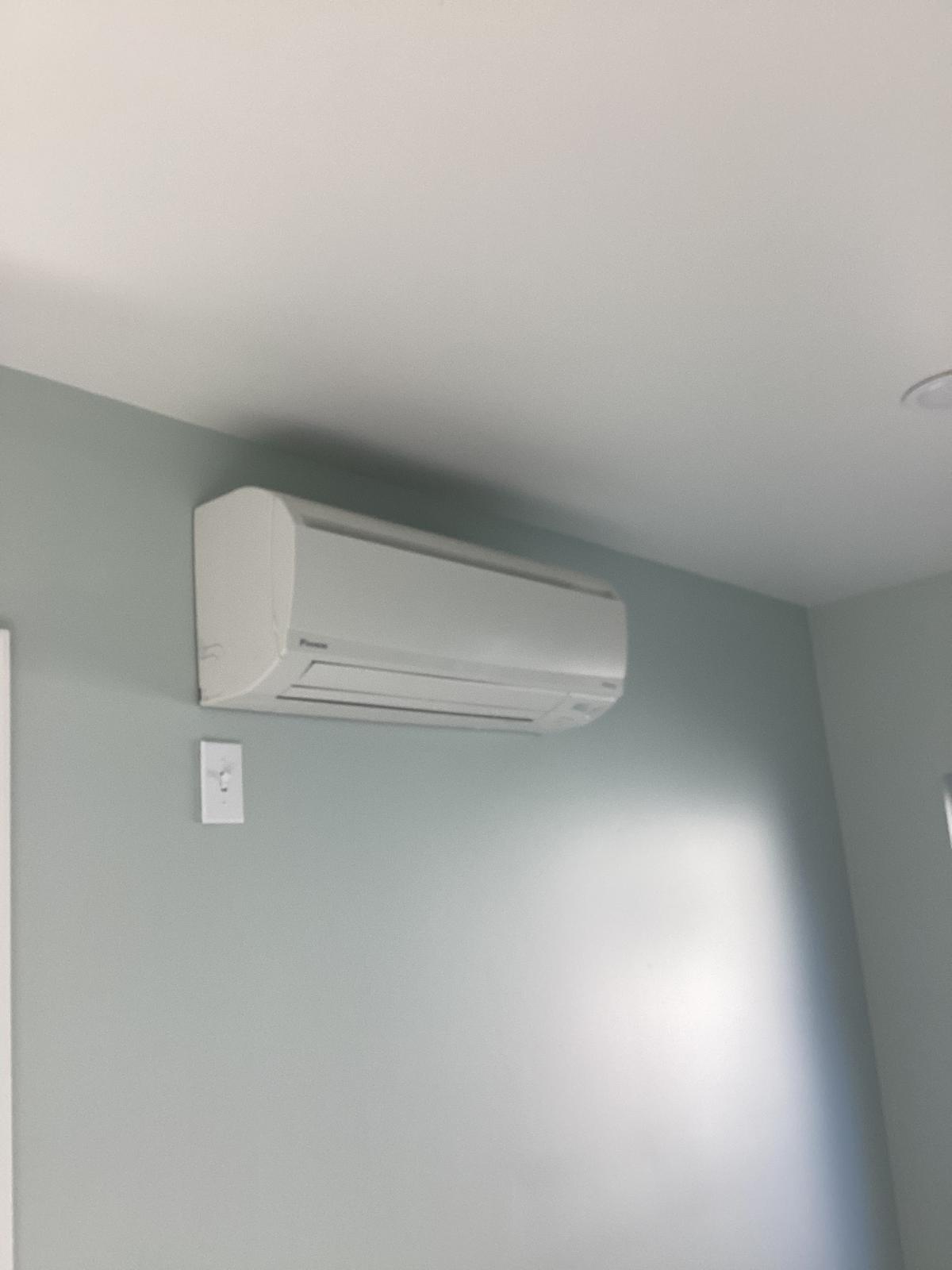
- Ductless Mini-Split Systems: Great for homes without ductwork, these systems offer flexibility in installation and zoning.
- Window Units: Affordable and easy to install, window units are suitable for cooling single rooms.
- Portable Air Conditioners: These units can be moved from room to room and are perfect for renters.
Key Factors to Consider When Choosing an Air Conditioning System
When selecting an air conditioning system, keep the following factors in mind:
- Home Size: The larger the area you need to cool, the more powerful system you'll require.
- Energy Efficiency: Look for high SEER (Seasonal Energy Efficiency Ratio) ratings to save on energy costs.
- Installation Costs: Factor in both the purchase price and installation expenses.
- Maintenance Needs: Consider how often the system will need servicing and the associated costs.
- Climate: Different systems perform better in various climates, so choose one suitable for your area.
Calculating the Right Size for Your AC Unit
Choosing the right size air conditioning unit is crucial for efficiency and comfort. An undersized unit will struggle to cool your home, while an oversized unit may cool too quickly, leading to increased humidity and energy costs.
To find the right size, consider the following steps:
- Measure the square footage of your home.
- Calculate the BTU (British Thermal Unit) requirement using online calculators or consulting with professionals.
- Account for factors like ceiling height, insulation quality, and number of windows.
Evaluating Energy Efficiency Ratings
Energy efficiency is a critical factor in choosing an air conditioning system. Systems with higher SEER ratings are more efficient and can significantly reduce your electricity bills. Look for units with a SEER rating of 14 or higher.
Understanding HSPF and EER Ratings
In addition to SEER, familiarize yourself with HSPF (Heating Season Performance Factor) and EER (Energy Efficiency Ratio) ratings, especially if you are considering a heat pump. These ratings provide insights into the system’s performance and efficiency during different seasons.
Considering Installation and Maintenance
Professional installation is key to ensuring optimal performance. Improper installation can lead to inefficiencies and increased energy costs. Additionally, regular maintenance is essential to keep your system running smoothly and prolong its lifespan.
- Schedule annual maintenance checks with a licensed technician.
- Change filters regularly to maintain airflow and efficiency.
- Clean the condenser and evaporator coils to prevent dirt buildup.
Budgeting for Your Air Conditioning System
When planning your budget, consider not only the initial purchase and installation costs but also long-term operational and maintenance expenses. Investing in a higher-quality, energy-efficient unit might cost more upfront but will yield savings in energy costs over time.
Conclusion
Choosing the right air conditioning system for your home requires careful consideration of various factors, including system type, size, energy efficiency, installation, and maintenance. By evaluating these elements, you can ensure a comfortable living environment while optimizing energy consumption. If you’re unsure about which system is best for your home, consult with a professional HVAC provider, such as M D P Heating & Cooling, to guide you through the selection process.